
What Bemidji’s Medical Campus Teaches About Building a Longer Career
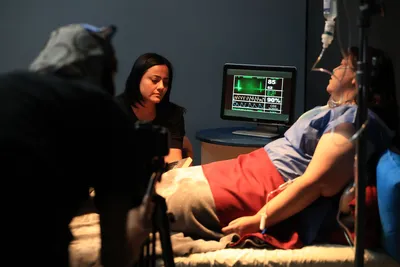
Bemidji’s medical employers reward workers who can handle systems, schedules and change. Local training and transit options can make the next step more realistic.
Five original resources about the local job market, industries, seasonal hiring and relocating to Bemidji for work.
Bemidji’s medical employers reward workers who can handle systems, schedules and change. Local training and transit options can make the next step more realistic.

Bemidji hiring often hinges on commute, transit, and class schedules. Local training paths and shift design can make the difference between a post and a placement.

Bemidji hiring works best when commute, training, housing, and shift timing fit the same real life. That matters for applicants and employers alike.

In Bemidji, the best next job is often the one that fits the class schedule, the commute, and the path to better work.
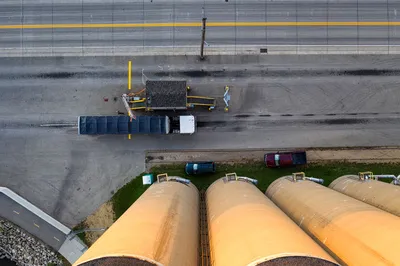
Bemidji’s industrial corridors, transit limits, and training pathways are shaping which jobs fit real lives—and which hiring plans work.

Bemidji job seekers can build on local training, transit, and technical pathways without pausing work, while employers can use those realities to retain talent.

Bemidji hiring depends on more than a résumé: roads, transit, and class schedules can decide whether a job is workable for applicants and employers alike.

Bemidji workers can use local transit, flexible course planning, and stackable engineering study to move from support jobs into longer-term careers.

Bemidji workers and employers can benefit when training, commute patterns and technical skills fit together across local jobs and career paths.

Bemidji hiring often turns on routes, shift timing and nearby training options. Local transit, road access and campus schedules can widen or narrow the real applicant pool.

Bemidji workers and employers gain an edge when they match commute reality, transit access and stackable training to the role—not just the job title.

Bemidji workers may find their next move in a class schedule, not a job board: local training, transit timing and stackable credentials can make progress fit real life.